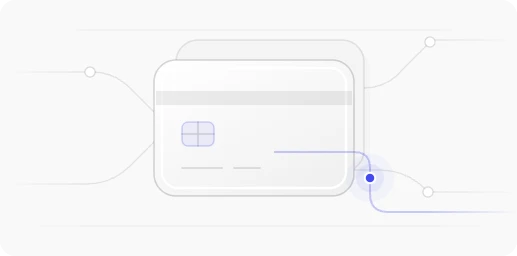
Payments
Incident triage
- Access
- Checkout repo · Sentry
- Context
- Payment logs · runbooks
- Instructions
- Trace failures. Propose a fix.

Your teams. Their agents. Your rules.
Talk to usGive every team an agent that knows its systems and follows its instructions. Investigate incidents, answer questions, and prepare fixes, with access you control.
Incident triage
Infrastructure
Technical questions
Maintain dedicated agents for each team and workflow. Decide what starts an investigation, what the agent can use, and where it shares the result.
Select repositories, connected accounts, and context resources for the job.
Add team instructions and connect the tools that hold your operational knowledge.
Choose triggers, reporting channels, and whether it can prepare pull requests.
Access to third-party services is securely protected by Secrets.
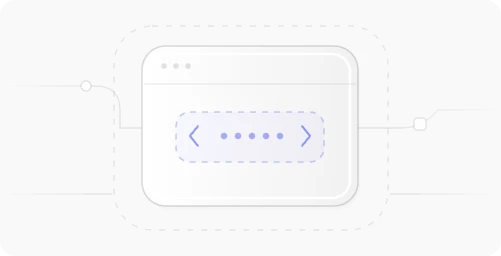
We give the sandbox agent a placeholder token (sl_4231...).
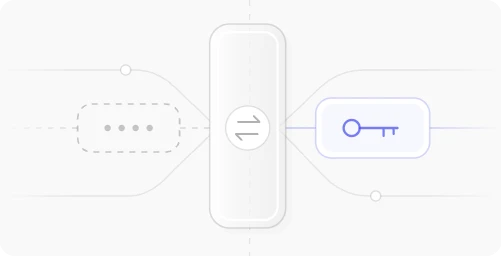
The placeholder is replaced with the actual credential at the network level.
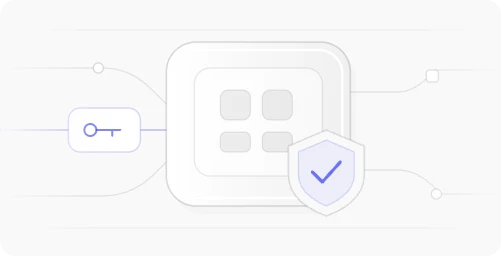
The action is securely authenticated with the third-party service.
Concrete controls, from stored credentials to each investigation.
Integration tokens and API keys are encrypted with AES-256-GCM before storage, with a fresh random nonce for each encryption.
Database storage and application logs use managed encryption keys with rotation enabled. Public traffic and database connections require TLS.
AWS uses temporary role credentials. Google Cloud uses identity federation without stored service-account keys. Customer roles define the access boundary.
Repository sandboxes are never shared across organizations. Each investigation retains the exact agent configuration version it ran with.
Let’s map your first workflow, review your access requirements, and walk your security team through the architecture.
Talk to us